
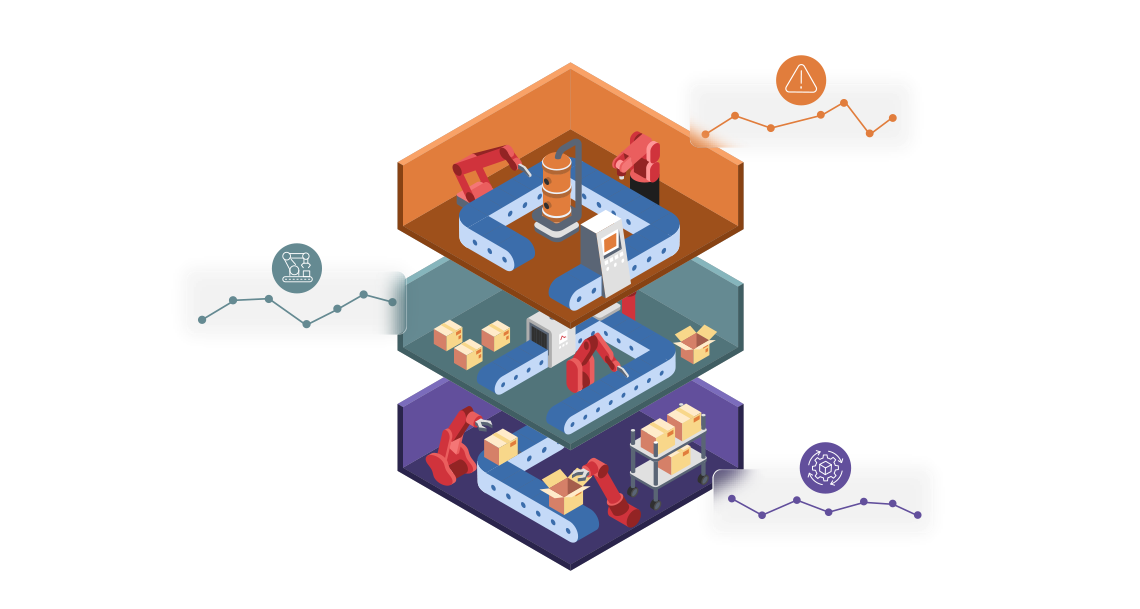
How manufacturers use simulation, scheduling, and execution data to validate critical decisions before production exposes what went wrong.
Most manufacturing decisions are made with good intentions and reasonable assumptions. A staffing change. A schedule built around what the plan says is possible. A new line configuration. A facility designed before production ever runs through it.
The problem is not the decision. It is what the shop floor does with it.
A change that improves one area creates a bottleneck somewhere else. A schedule that looked right falls apart when a priority order drops in. A new facility gets built exactly as planned, only for material flow to reveal the gaps on day one. Most operations find out whether a decision was right only after production has already responded. This session is about changing that.
We look at how manufacturers are running the operation before the operation runs. Testing line configurations before anything moves. Seeing how staffing changes affect throughput before changes are rolled into production. Seeing the impact of a priority order before committing to a ship date. Finding where a new facility layout breaks before equipment is bolted to the floor.
Whether you are evaluating the impact of a priority order, designing a new line or facility, or preparing for a major capacity decision, this session is about understanding how manufacturers validate operational decisions before the shop floor exposes the consequences, and how live execution data can continuously improve the accuracy of what comes next.
- Before the decision is made. Using simulation and operational modeling to evaluate what the operation will actually do, not just what the plan assumes it will do. This includes line design, staffing models, facility layouts, throughput analysis, and capacity scenarios before implementation.
- While operations are running. Understanding how operational decisions hold up under real production conditions as priorities shift, resources become constrained, downtime occurs, materials are delayed, or demand changes across the operation.
- After production responds. When live execution data from the shop floor feeds back into the operational model, future simulations and decisions become grounded in what the operation actually did, continuously improving the accuracy of what comes next.